Digitalizing energy infrastructures is not only a technological transformation but also a critical step in terms of safety, efficiency, and sustainability. One of the most important elements of this transformation in natural gas infrastructure is smart metering technology. These next-generation devices are revolutionary for both users and distribution companies, fundamentally changing many processes from measurement to operation.
Ultrasonic Smart Natural Gas Meters offer much higher accuracy and safety compared to classic mechanical meters thanks to their advanced technology. And contrary to common belief, this high technology doesn’t require complex installation processes. When applied correctly, installation can be completed in just a few simple steps and in a very short time.
The most important issue to pay attention to during field installation of ultrasonic smart meters really comes down to one point:
Not having gas flow in the line during installation.
These meters are equipped with smart systems that always prioritize human safety. Having gas flow in the line during installation poses a risk for field personnel and prevents healthy completion of installation due to the meter’s safety algorithms. Smart meters naturally expect no gas flow during installation and treat this as a safety requirement.
For this reason, most problems encountered in the field stem from incorrect assembly order or skipped gas shut-off procedures. With proper preparation and adherence to standards, ultrasonic smart meter installation is safe, fast, and trouble-free.
Speed and Ease in Field Operations
Smart meter technologies stand out not only for measurement accuracy but also for accelerating field operations. Unlike mechanical meters, they do not require any additional mechanical adjustment or physical intervention after installation.
Thanks to digital process management:
• Installation data can be transferred to the system instantly in the field
• Meter checking and verification can be done remotely
• Operational errors can be detected quickly
In today’s technology era, this digital infrastructure reduces the workload of distribution companies and makes processes much more traceable and manageable.
Traditional natural gas meters use mechanical bellows or turbines to measure gas flow. However, this design can suffer mechanical wear over time and lead to reduced measurement accuracy.
Ultrasonic smart meters operate on a completely different principle. Gas flow rate is measured using ultrasonic sound waves. With this method:
• There are no moving parts
• Mechanical wear risk is eliminated
• Measurement accuracy is preserved throughout the meter’s life
G4 class ultrasonic meters especially deliver high accuracy and stable long-term performance for residential and commercial subscribers.
Domestic and National Technology — ESKA Ultrasonic Smart Natural Gas Meter
The ESKA Ultrasonic Smart Natural Gas Meter is not just a measuring device; it’s a next-generation solution capable of managing, analyzing, and optimizing energy. Developed in Turkey, this domestic and national technology directly contributes to energy efficiency goals with high engineering capability.
Its design without moving parts combined with a digital infrastructure creates a solution that is both long-lasting and high in safety standards. This enables a sustainable, safe, and future-ready infrastructure for both users and natural gas distribution companies.
Find answers to common questions about this blog post and related topics below.

As digital transformation in the energy sector accelerates worldwide, smart meter technologies are becoming one of the most critical building blocks of this transformation. In line with energy efficiency, decarbonization, and energy security goals, many countries are making smart meter applications mandatory or encouraging their adoption. This transformation, which began in Türkiye’s electricity sector, is also expected to accelerate in the natural gas field in the near future. Smart natural gas meters offer significant benefits for both individual consumers and the national economy.
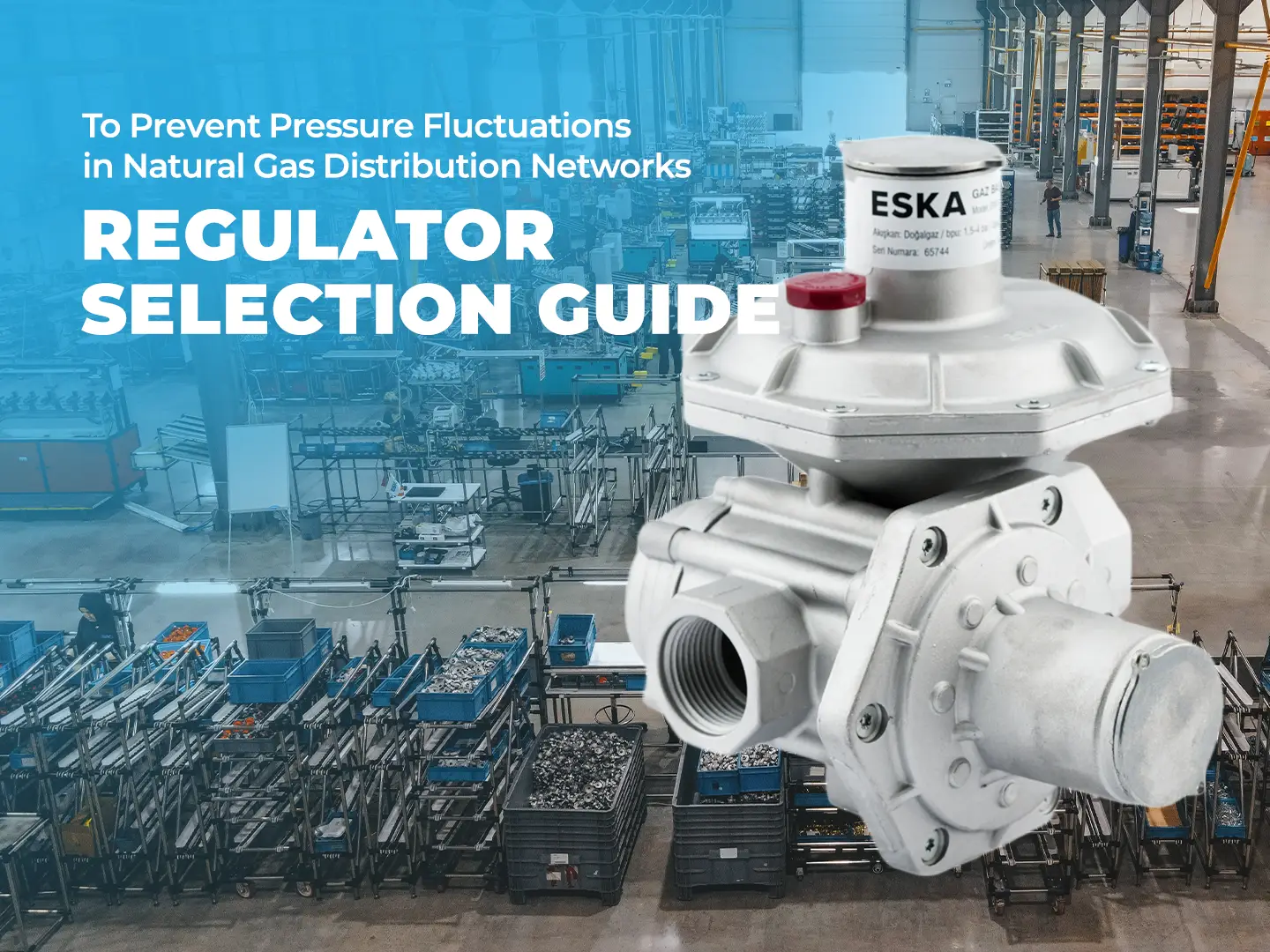
Pressure control in natural gas distribution networks is critical for ensuring a safe and sustainable gas supply. Pressure fluctuations occurring at city gate stations, regional regulation points, and distribution lines with variable consumption profiles may lead to equipment failures, increased maintenance costs, and disruptions in service continuity. At this point, natural gas regulators play a fundamental role in ensuring safe and stable pressure control by reducing high-pressure gas to the level required by the distribution network.
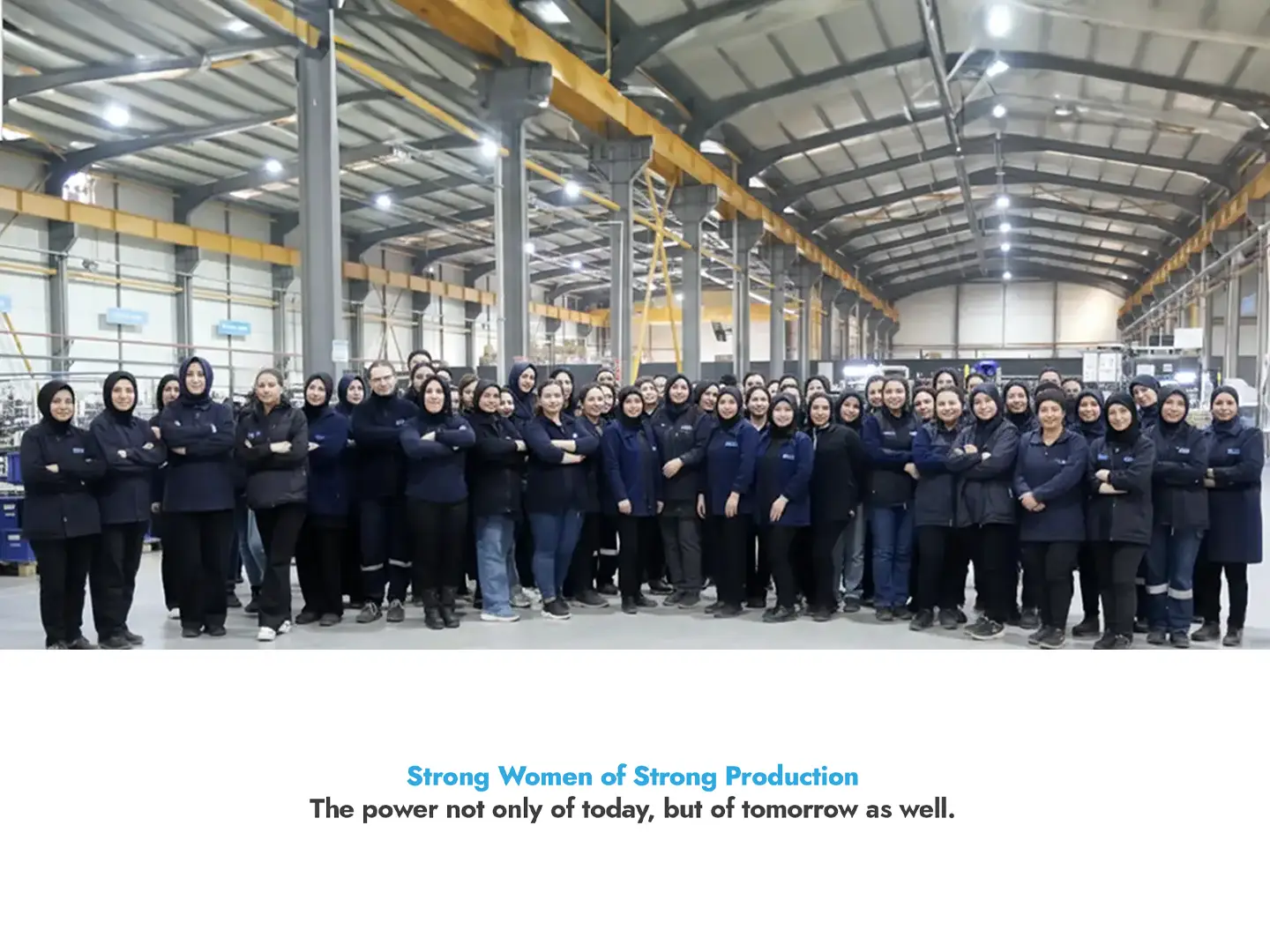
Inspiring the Industry with a 40% Women Employment Rate In a sector like energy technologies—traditionally known as male-dominated—the presence of women is not enough on its own. What truly signals transformation is women taking strong, active, and decision-making roles. At Eska, our goal is not merely to be part of this transformation, but to carry it forward. As of today, women represent 40% of our workforce.

Murat Çalapkulu, General Manager of ESKA Valve, appeared as a guest on a television program where he shared his views on global energy policies, the transformation of Turkey’s natural gas sector over the past 20 years, and the growing role of digitalization in energy infrastructure. Speaking during the program, Murat Çalapkulu stated that today the energy sector is being reshaped not only through supply and demand dynamics, but also around energy security, digitalization, and sustainability.
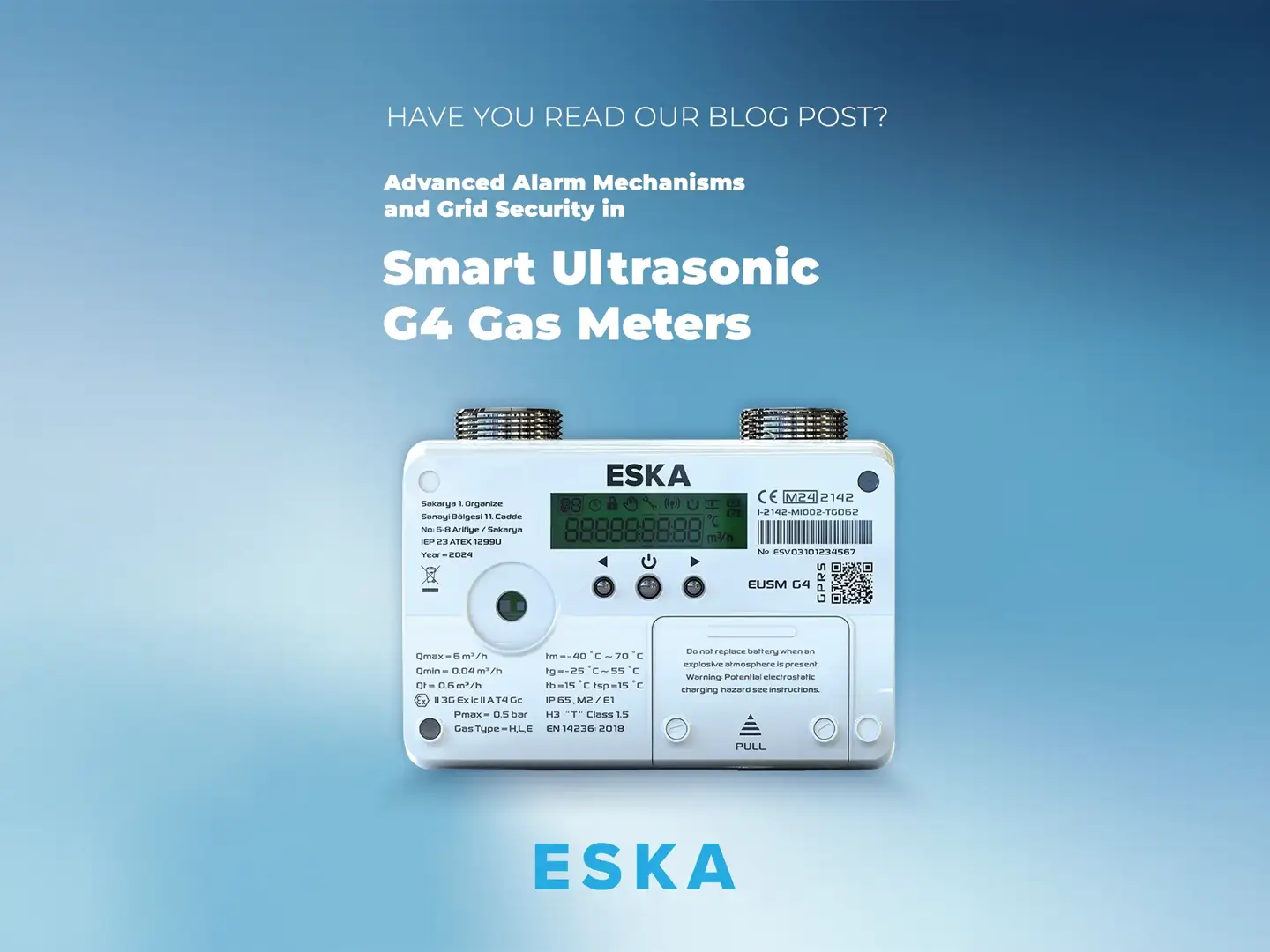
Enhance grid safety with intelligent ultrasonic G4 gas meters featuring accelerometer sensors, automatic valve shutoff, and micro-flow monitoring. Ensure full protection with Eska Valve.
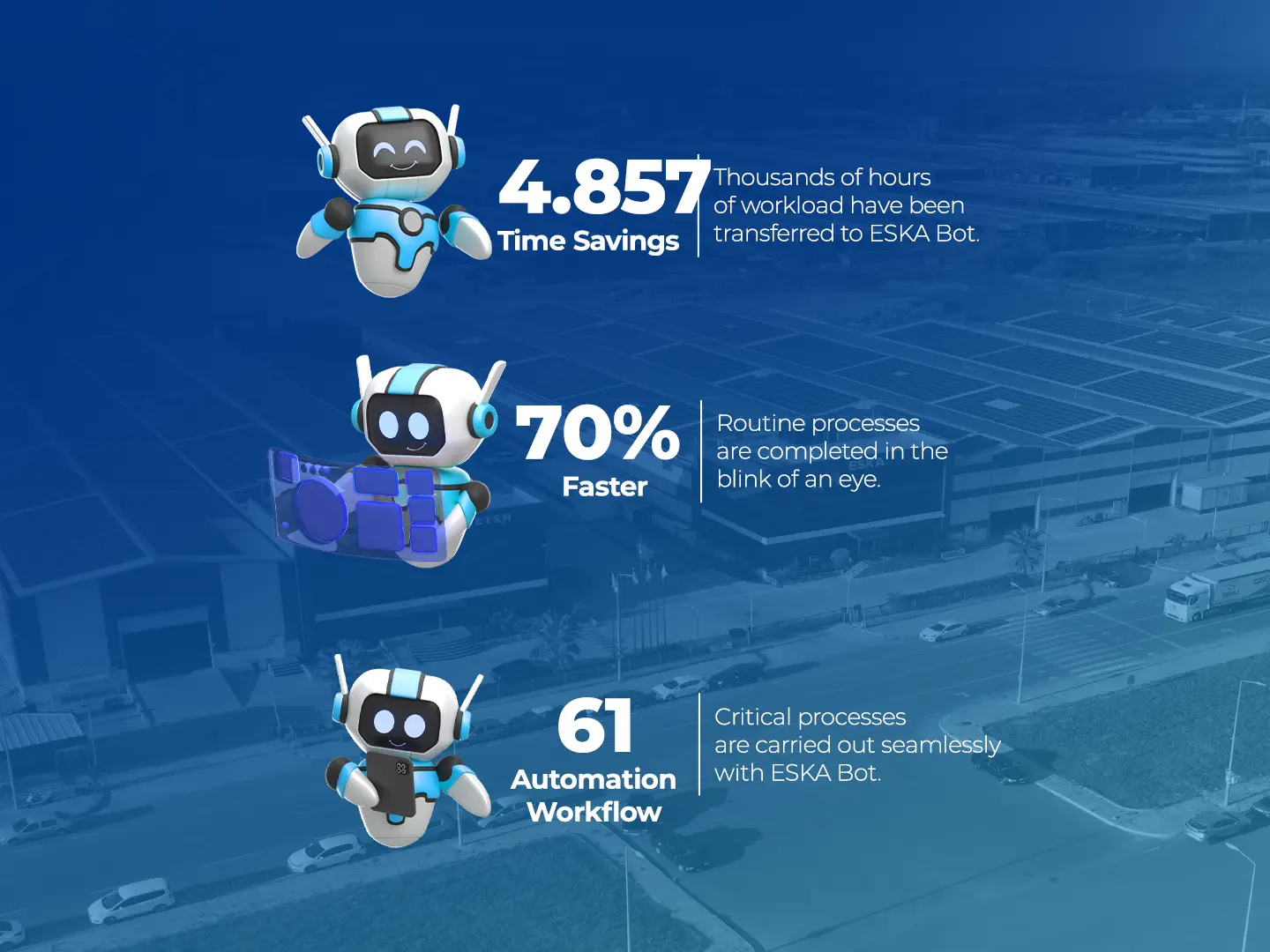
At a time when competition in the business world is intensifying and technology is reshaping business models, taking innovative steps has become a necessity for companies aiming for sustainable success. With its strategic investment in artificial intelligence, ESKA stands among the pioneering companies of this transformation and clearly demonstrates its strong commitment to digitalization.