Murat Çalapkulu, General Manager of ESKA Valve, appeared as a guest on a television program where he shared his views on global energy policies, the transformation of Turkey’s natural gas sector over the past 20 years, and the growing role of digitalization in energy infrastructure.
Speaking during the program, Murat Çalapkulu stated that today the energy sector is being reshaped not only through supply and demand dynamics, but also around energy security, digitalization, and sustainability.
Emphasizing that energy supply security lies at the core of global energy policies, Çalapkulu noted that geopolitical developments have a direct impact on energy markets. He pointed out that potential tensions at critical energy transit points such as the Strait of Hormuz—through which approximately 20% of global oil trade passes—could have serious effects on oil and LNG prices.
Stating that Turkey has undergone a significant transformation in the natural gas sector over the last two decades, Murat Çalapkulu explained that natural gas now reaches most parts of the country and that more than 60 million people have access to natural gas. Thanks to infrastructure investments, increased storage capacity, and energy diversification policies, Turkey has moved beyond being merely an energy consumer and is now aiming to become a regional energy trading hub.
Addressing the importance of digitalization in the energy sector, Çalapkulu highlighted the critical role of smart meter technologies in energy infrastructure and made the following assessment:
“Digitalization in energy is no longer a choice but a strategic necessity. Thanks to sensor technologies, IoT infrastructures, data analytics, and AI-supported energy management systems, energy networks can be managed far more efficiently and securely. Smart meters are the most critical components that serve as the data source for this transformation.”
Noting that smart natural gas meter technologies are rapidly spreading worldwide and offer significant advantages in terms of energy efficiency, network security, and consumption management, Çalapkulu stated that Turkey also has strong potential in this field.
Çalapkulu emphasized that ESKA, which has developed Turkey’s first domestically produced smart ultrasonic natural gas meter, plays an active role in this transformation and underlined the strategic importance of increasing the use of local technologies in energy infrastructure.
The program also addressed the following topics in the energy sector:
Concluding his remarks, Murat Çalapkulu stated that with the acceleration of digital transformation in energy infrastructure, smart meter technologies will deliver significant benefits for consumers, distribution companies, and the national economy, and that Turkey has the potential to become a strong technology producer in this field.
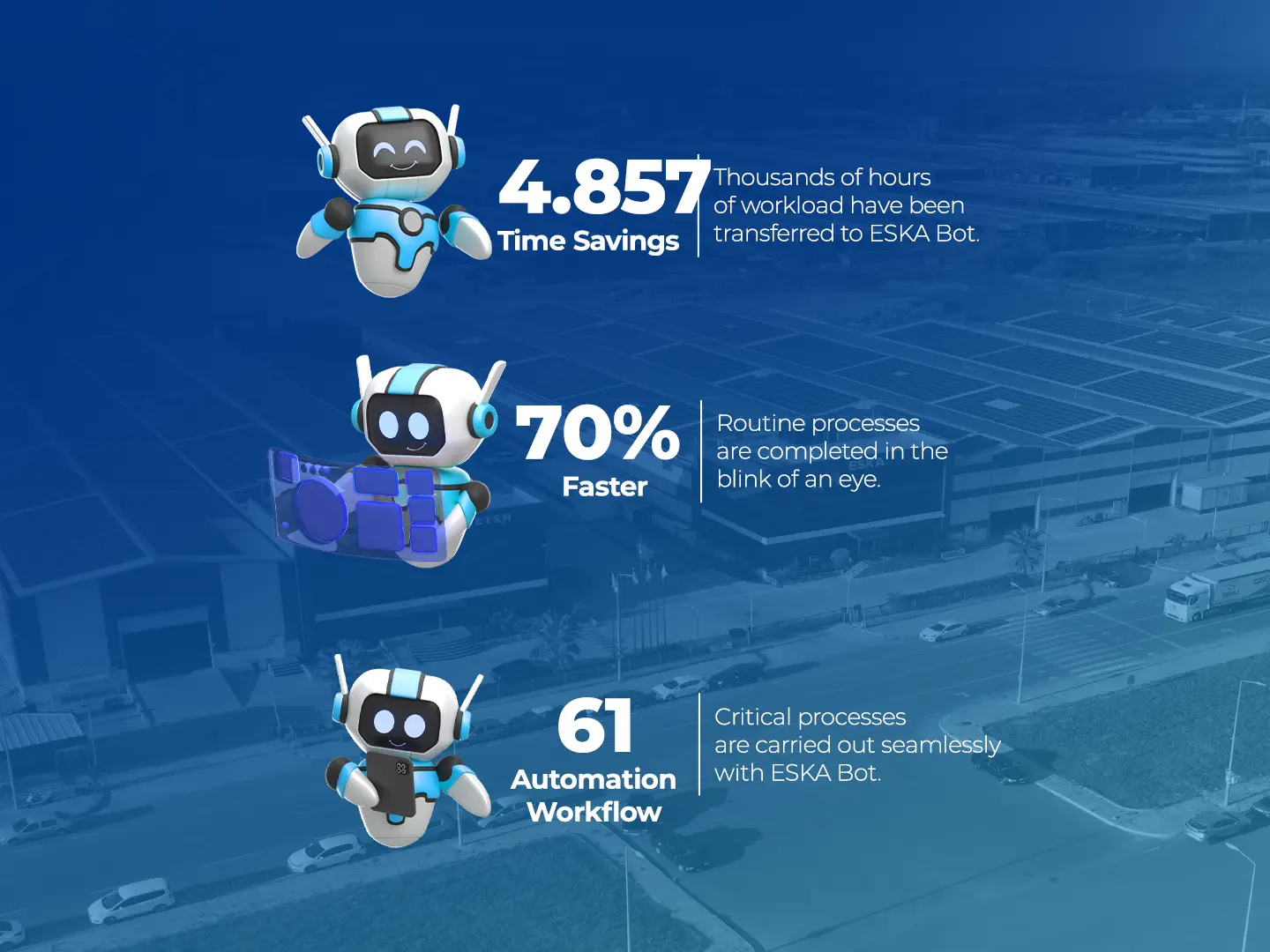
At a time when competition in the business world is intensifying and technology is reshaping business models, taking innovative steps has become a necessity for companies aiming for sustainable success. With its strategic investment in artificial intelligence, ESKA stands among the pioneering companies of this transformation and clearly demonstrates its strong commitment to digitalization.
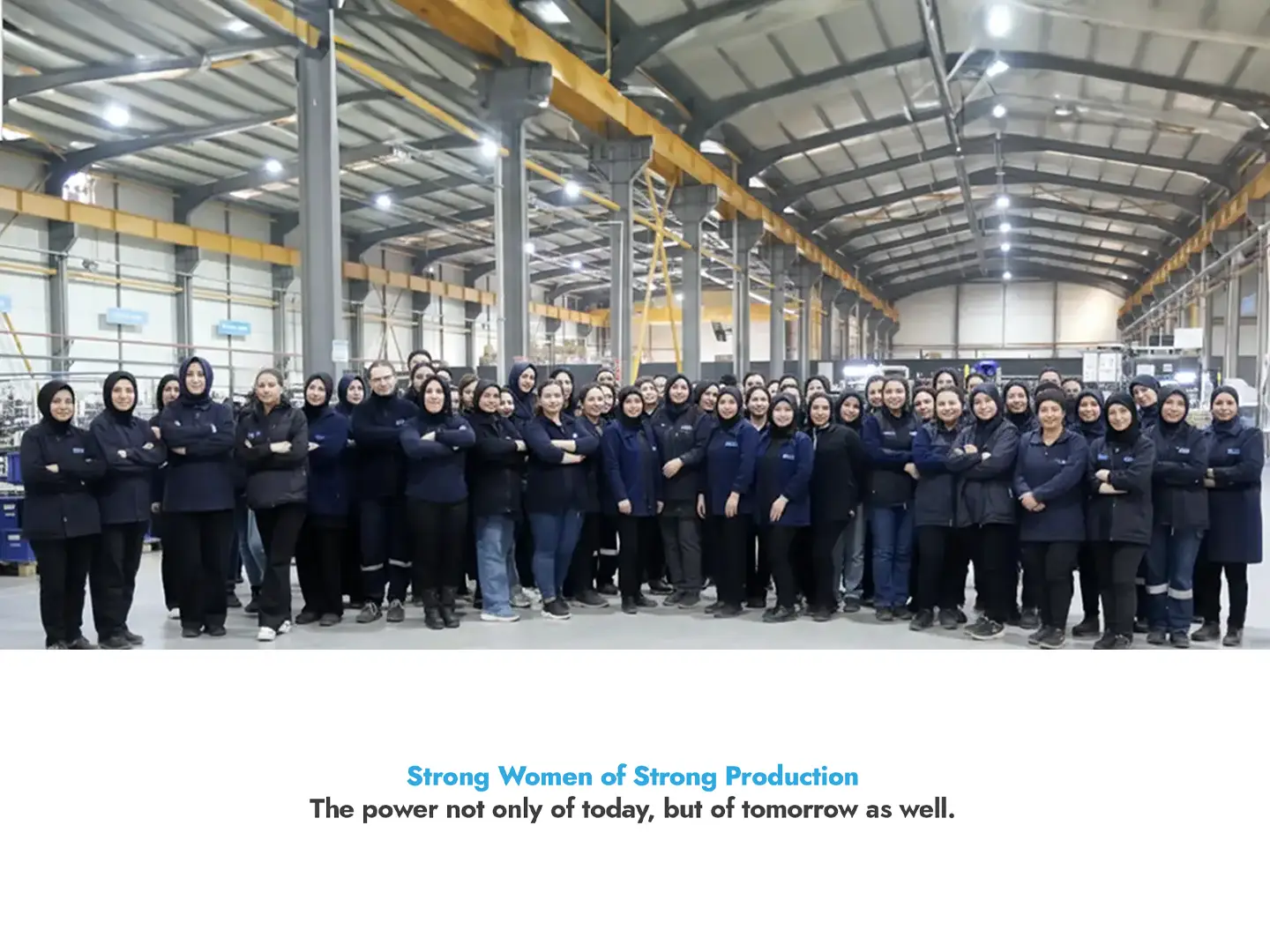
Inspiring the Industry with a 40% Women Employment Rate In a sector like energy technologies—traditionally known as male-dominated—the presence of women is not enough on its own. What truly signals transformation is women taking strong, active, and decision-making roles. At Eska, our goal is not merely to be part of this transformation, but to carry it forward. As of today, women represent 40% of our workforce.

Pressure control in natural gas distribution networks is critical for ensuring a safe and sustainable gas supply. Pressure fluctuations occurring at city gate stations, regional regulation points, and distribution lines with variable consumption profiles may lead to equipment failures, increased maintenance costs, and disruptions in service continuity. At this point, natural gas regulators play a fundamental role in ensuring safe and stable pressure control by reducing high-pressure gas to the level required by the distribution network.
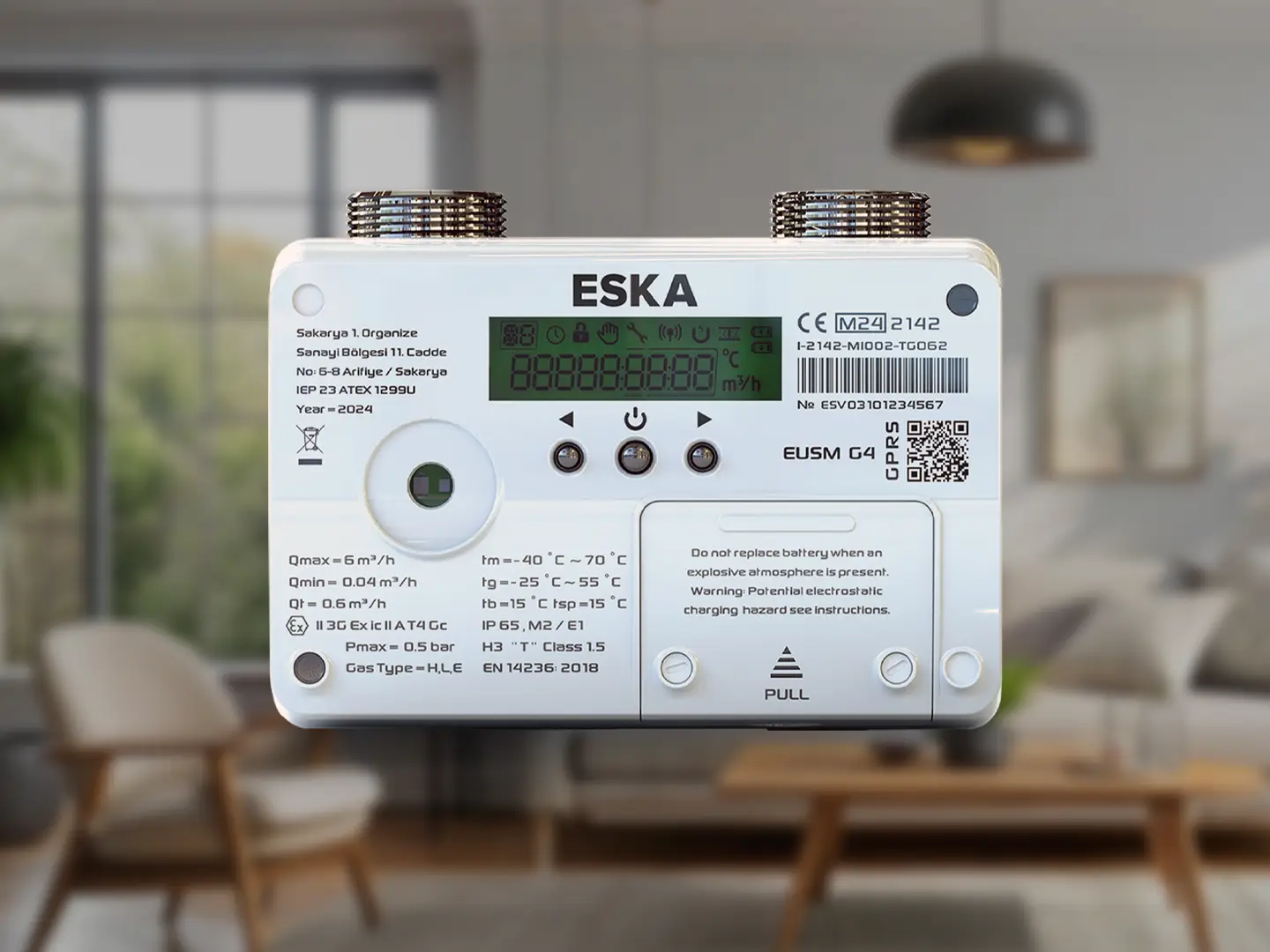
As digital transformation in the energy sector accelerates worldwide, smart meter technologies are becoming one of the most critical building blocks of this transformation. In line with energy efficiency, decarbonization, and energy security goals, many countries are making smart meter applications mandatory or encouraging their adoption. This transformation, which began in Türkiye’s electricity sector, is also expected to accelerate in the natural gas field in the near future. Smart natural gas meters offer significant benefits for both individual consumers and the national economy.