As digital transformation in the energy sector accelerates worldwide, smart meter technologies are becoming one of the most critical building blocks of this transformation. In line with energy efficiency, decarbonization, and energy security goals, many countries are making smart meter applications mandatory or encouraging their adoption. This transformation, which began in Türkiye’s electricity sector, is also expected to accelerate in the natural gas field in the near future. Smart natural gas meters offer significant benefits for both individual consumers and the national economy.
Smart natural gas meters are digital measuring devices that enable the remote, secure, and real-time monitoring of gas consumption data and meter status information. Thanks to Internet of Things (IoT) technologies, data collected from meters is transmitted to data centers. These systems have two-way communication capabilities, allowing gas distribution companies to perform remote connection and disconnection operations in line with necessary authorizations. As a result, operational efficiency is improved and energy management becomes more effective.
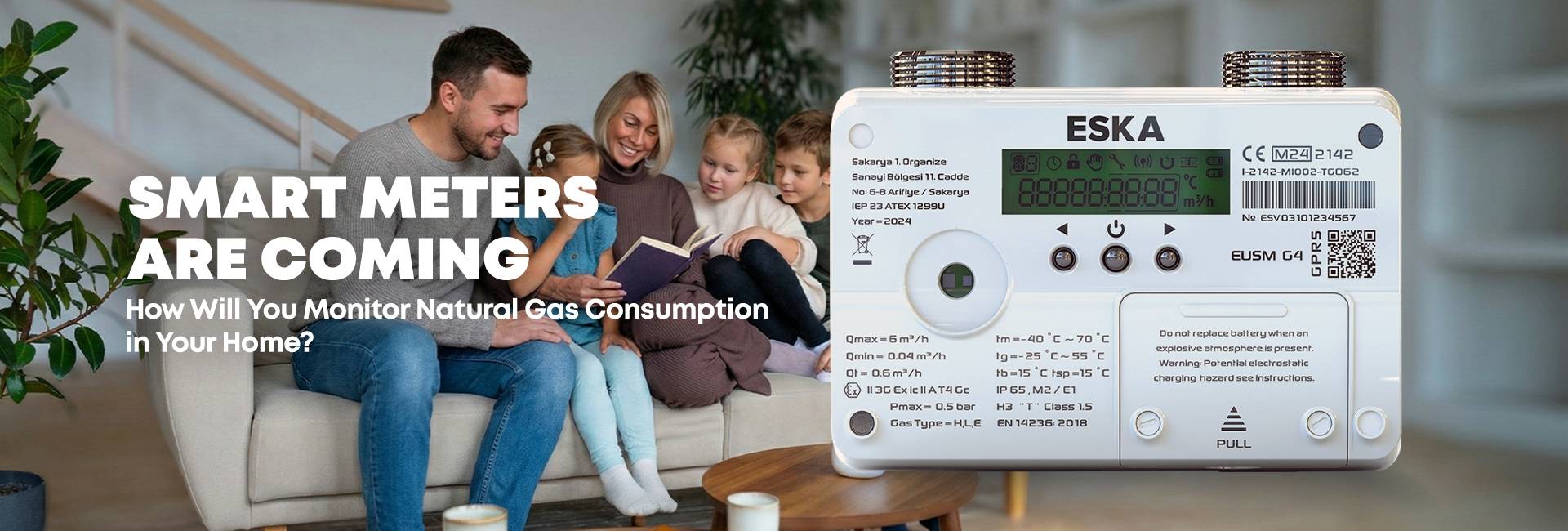
With the introduction of smart meters in homes, subscribers will be able to easily track their own natural gas consumption through digital platforms. Daily, monthly, and annual consumption data can be viewed, comparisons with previous periods can be made, and estimated billing information can be accessed. Making consumption visible enables users to review their habits and use energy more consciously. This directly translates into natural gas savings.
Field studies covering more than 4 million subscribers worldwide show that the use of smart meters can deliver energy savings ranging from 3% to 35%. Even assuming an average savings rate of 7%, the impact at the scale of Türkiye is remarkable. While the total annual natural gas consumption of residential buildings in Türkiye is approximately 19 billion cubic meters, the number of subscribers has reached 21 million, and the average annual consumption per household is calculated at 900 cubic meters. With a 7% savings rate, annual natural gas imports would decrease by 1.3 billion cubic meters. Over a three-year period, this reduction would allow approximately 2 billion euros to remain within the national economy.

Smart natural gas meters are actively used in many countries, including Italy, France, Germany, the United Kingdom, the United States, Japan, South Korea, China, and Spain. Russia is also planning to implement this technology in the near future. In Türkiye, smart measurement technologies are already in use at city gate pressure reduction and metering stations in the natural gas sector. On the subscriber side, field trials by gas distribution companies, technical evaluations by non-governmental organizations, and regulatory efforts by public authorities have gained momentum. As of 2026, the gradual expansion of smart meter usage in natural gas is anticipated.
ESKA is a Turkish technology company operating in the natural gas sector, developing gas pressure regulators and automatic safety valves, as well as Türkiye’s first domestically produced ultrasonic smart natural gas meter. Digital infrastructures, IT monitoring systems, and renewable energy solutions are actively used in its production facilities. ESKA operates with an approach that places technology at the center of its business, generating shared value for the public sector, private sector, and subscribers. By developing products and technologies

 Türkçe